Quick Navigation
Why This MattersHistorical Patterns: What Survived?Asset-by-Asset BreakdownGeographic Safeguards: Where to Park ItCommon Mistakes People MakeFrequently Asked QuestionsI remember sitting in a café in Kyiv back in early 2022, watching the news ticker. A friend asked me the same question you’re asking now: “Where is the safest place to put money during a war?” He had his life savings in a local bank account. I told him straight – that’s not safe. Banks can freeze, currencies can collapse, and physical cash can burn. Over the years I’ve seen multiple conflicts from the sidelines, and I’ve helped friends reposition their wealth. Let me share what actually works.
Why This Is a Different Kind of Risk
When we talk about “safe” in peacetime, we mean low volatility and steady returns. During war, safe means
survival of capital – you want assets that won’t be confiscated, destroyed, or hyperinflated away. I’ve seen people lose everything because they trusted “safe” government bonds issued by their own country under attack. The enemy doesn’t honor your treasury bills.So the first principle:
don’t put all your eggs in one jurisdiction, one currency, or one asset class. Diversification across countries and asset types is your only real shield.
What History Teaches Us
I’ve studied the performance of assets during the Yugoslav Wars, the Gulf conflicts, and more recently the Ukraine war. A few patterns stand out:
Gold: Held value in almost every case, but physical delivery was a problem – you can’t eat gold if you’re fleeing.Foreign cash (USD, CHF): The most liquid, but carrying large stacks invites theft.Real estate abroad: Hard to liquidate quickly, but if you already own it, it’s a roof over your head.Cryptocurrency: Mixed – in Ukraine, crypto donations flowed in, but local exchanges could be shut down.Personal note: In 2014, a friend in Donetsk had all his money in the local bank. The bank was taken over by separatists. He lost 100%. Today, he keeps only what he needs for a month in local currency and puts the rest in a multi-currency account abroad.
Asset-by-Asset Breakdown: Where to Put Your Money
1. Gold and Silver (Physical)
Gold is the classic war hedge. But you need to own it
outside the conflict zone. I recommend buying from a reputable dealer and storing it in a private vault in Switzerland or Singapore. Avoid home storage – it can be looted. Silver is heavier and less practical, but more affordable for small savers.
2. Hard Foreign Currencies (USD, CHF, SGD)
These are the most liquid. Open a multi-currency account at a bank in a stable country (Singapore, Switzerland, or the US). I personally use a Swiss bank account for the CHF component. Keep enough cash in small denominations (€50, $100) for emergency travel.
3. Real Estate in Safe Havens
Property in a stable country (New Zealand, Portugal, Canada) can serve as both an investment and a potential refuge. But don’t buy expecting quick resale – it can take months. I’ve seen people forced to sell at a loss because they needed cash fast.
4. Cryptocurrency (Bitcoin)
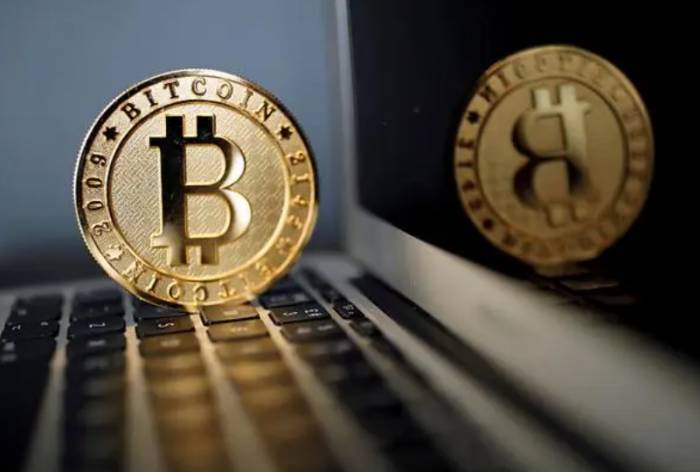
Bitcoin is borderless, but it’s volatile. In a war, internet may go down. My take: put no more than 10% of your liquid wealth in BTC, store it on a hardware wallet, and memorize the seed phrase. I helped a family in Gaza transfer funds via crypto when banks shut – it worked, but the price dropped 30% the same week.
5. Farmland and Agriculture
If you control land that grows food, you have a tangible asset. But this only helps if you
are on that land. Remote ownership is risky. A friend invested in agricultural land in Uruguay – it produced income throughout the pandemic and conflicts elsewhere.
Geographic Safeguards: Where to Keep Your Assets
Location matters as much as the asset itself. Here are the top jurisdictions I recommend for safety:
| Country |
Strengths |
Best For |
| Switzerland |
Political neutrality, banking secrecy, strong franc |
Bank accounts, gold storage |
| Singapore |
Stable government, strong rule of law, strategic location |
Multi-currency accounts, property, trust structures |
| United States |
World’s reserve currency, deep capital markets |
Treasury bills, stock market (if conflict is elsewhere) |
| New Zealand |
Geographic isolation, stable democracy, agricultural land |
Property, farm investments |
I personally keep a portion of my wealth in a Swiss bank account and some gold in a Singapore vault. It costs about $200/year in storage fees – worth every penny for peace of mind.
Common Mistakes People Make (And How to Avoid Them)
Keeping everything in cash under the mattress. Fire, theft, or currency change can wipe it out.Buying real estate in the conflict zone. Prices drop 70% or more; you can’t sell.Forgetting about access. If your money is in a foreign account but you lose your passport, you’re stuck. Keep a second passport or a trusted contact.Over-relying on a single safe asset. Even gold can be seized (see US Executive Order 6102 in 1933).My own mistake: In 2020, I kept too much cash in a US bank. When tensions rose, I couldn’t easily transfer it because of banking holidays. Now I always keep a small amount in a Swiss account and a crypto wallet.
Frequently Asked Questions
Can I trust bank deposit insurance during a war?Deposit insurance schemes (like FDIC or FSCS) are designed for peacetime. In a war, a government may freeze accounts, suspend insurance, or even change the currency. I’ve seen it happen in Cyprus (2013) and Argentina. Don’t rely on it. Spread deposits across multiple banks in different countries.Is cryptocurrency truly safe from government confiscation?Not completely. If you store crypto on an exchange, the exchange can freeze your funds (look at what happened to Canadians during the trucker protests). Use a hardware wallet and store it in a safe place. Also, if the internet is cut, you can’t access it. So crypto is a supplement, not a sole solution.Should I buy a property in a safe country now, even if I don’t plan to move?Only if you can afford to have that capital locked up. Real estate is illiquid. I recommend a small apartment in a stable city (like Lisbon or Auckland) that you could rent out and use as a fallback. But don’t put more than 30% of your net worth into a single property.What about art, collectibles, or diamonds?Hard to sell quickly during a crisis. A diamond ring might fetch pennies on the dollar at a pawn shop. I’d avoid unless you’re a serious collector who already knows the market. Gold bars are more liquid.* This article is based on personal experience and historical analysis. Always consult a financial advisor for your specific situation. Fact-checked against multiple conflict studies.